


Last updated on June 12, 2026
Stress and anxiety can affect erections, libido, focus and sexual confidence, even in men who are otherwise healthy. For many men, the issue is not a complete loss of sexual function, but a gradual pattern of inconsistency, overthinking or difficulty mentally switching off during intimacy.
Work pressure, poor sleep, relationship stress and ongoing mental strain can all influence sexual performance. In some cases, one negative experience can create a cycle of anticipation and anxiety that makes future difficulties more likely.
At Mans Matters, many men seeking support describe feeling physically capable but mentally “stuck in performance mode”. Understanding the connection between stress, nervous system overload and sexual wellbeing can help men recognise patterns earlier and take more informed next steps.
Persistent sexual difficulties should always be assessed professionally, as symptoms can involve both psychological and physical factors.
How Stress and Anxiety Affect Sexual Performance
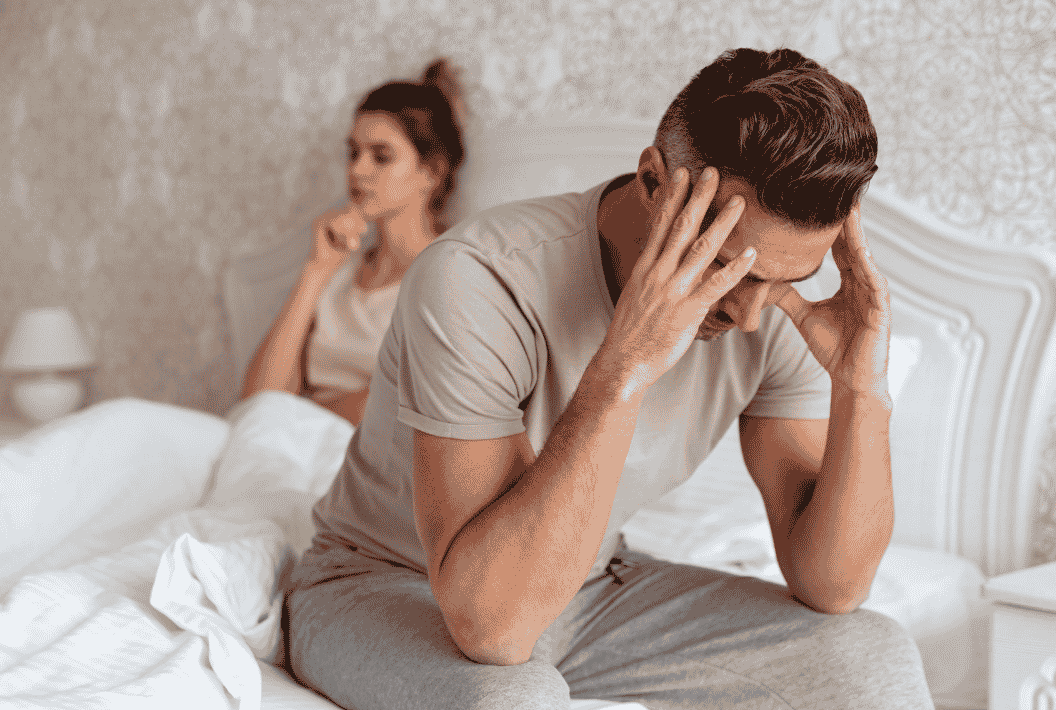
Stress and anxiety can interfere with erections, libido and sexual confidence by affecting focus, blood flow, sleep and nervous system regulation.
When the body experiences stress, it activates a fight-or-flight response designed to deal with pressure or perceived threats. Short-term stress responses are normal, but ongoing stress may affect several systems involved in sexual function.
Some men notice:
- Difficulty maintaining erections
- Reduced interest in sex
- Mental distraction during intimacy
- Increased performance monitoring
- Greater anxiety after one inconsistent experience
- Reduced spontaneity and confidence
For many men, the problem becomes self-reinforcing.
A common pattern involves:
- An isolated erection difficulty
- Increased worry about it happening again
- Heightened self-monitoring during intimacy
- Reduced relaxation and arousal
- Further inconsistency
This anticipation loop can become particularly common in high-functioning professionals who remain mentally switched on long after work has finished.
For example, a man may perform confidently in business settings throughout the day but struggle to mentally disengage during intimacy. Instead of remaining present, his focus shifts towards monitoring erection quality, timing or performance concerns.
Stress-related sexual difficulties are not “imagined”, and they are not always purely psychological either. Mental strain can contribute to real physical changes involving tension, sleep disruption and arousal response.
Men experiencing persistent or worsening symptoms may benefit from reviewing common erectile dysfunction symptoms and considering whether broader assessment may help identify contributing factors.
Improving Sleep to Support Sexual Health and Recovery
Poor sleep can worsen stress, reduce energy and increase the likelihood of performance anxiety and erection difficulties.
Sleep is closely connected to:
- Stress regulation
- Mood stability
- Cognitive focus
- Physical recovery
- Sexual wellbeing
Many men experiencing stress-related performance issues also describe:
- Difficulty switching off mentally
- Waking during the night
- Poor recovery after work stress
- Fatigue despite adequate hours in bed
Sleep disruption can increase irritability, reduce resilience to stress and contribute to greater anxiety around intimacy.
Practical strategies that may help improve sleep quality include:
- Maintaining a consistent sleep schedule
- Reducing late-night screen exposure
- Limiting caffeine later in the day
- Creating a winding-down routine before bed
- Avoiding excessive alcohol as a sleep aid
At Mans Matters, sleep is often discussed as part of broader nervous system recovery rather than simply a lifestyle “wellness” issue.
Exercise and Physical Activity to Reduce Stress
Regular physical activity can help lower stress levels, improve mood and support sexual wellbeing indirectly.
Exercise may support:
- Cardiovascular health
- Stress regulation
- Sleep quality
- Energy levels
- Confidence and emotional resilience
For some men, physical activity also provides important mental decompression from high-pressure work or constant screen exposure.
Many men notice worsening stress symptoms during periods where:
- Work demands increase
- Sleep becomes inconsistent
- Exercise routines disappear
- Alcohol intake increases
- Downtime becomes limited
This does not mean exercise alone resolves erectile dysfunction or anxiety-related symptoms. Sexual performance issues are often multifactorial and may involve overlapping physical and psychological contributors.
However, maintaining regular movement and cardiovascular fitness may support broader wellbeing factors linked to sexual confidence and erection consistency.
It is also important to avoid extremes. Overtraining, exhaustion and excessive performance-focused fitness routines may sometimes worsen stress and recovery issues rather than improve them.
Breathing Techniques That Help Calm Performance Anxiety
Simple breathing exercises may help calm physical stress responses and reduce mental overthinking during intimacy.
Anxiety often creates:
- Faster breathing
- Increased heart rate
- Muscle tension
- Mental distraction
- Hyperfocus on performance
Controlled breathing techniques may help reduce some of this physical tension and encourage greater mental presence.
One simple technique involves extended exhale breathing:
- Inhale slowly through the nose for four seconds
- Pause briefly
- Exhale slowly for six to eight seconds
- Repeat for several minutes
Another commonly used approach is box breathing:
- Inhale for four seconds
- Hold for four seconds
- Exhale for four seconds
- Hold again for four seconds
These techniques are not instant solutions, but some men find they help interrupt the cycle of tension and constant self-monitoring during intimacy.
The goal is not “perfect relaxation”. It is often simply reducing mental overload enough to remain more present and less performance-focused.
Reducing Work and Lifestyle Pressures
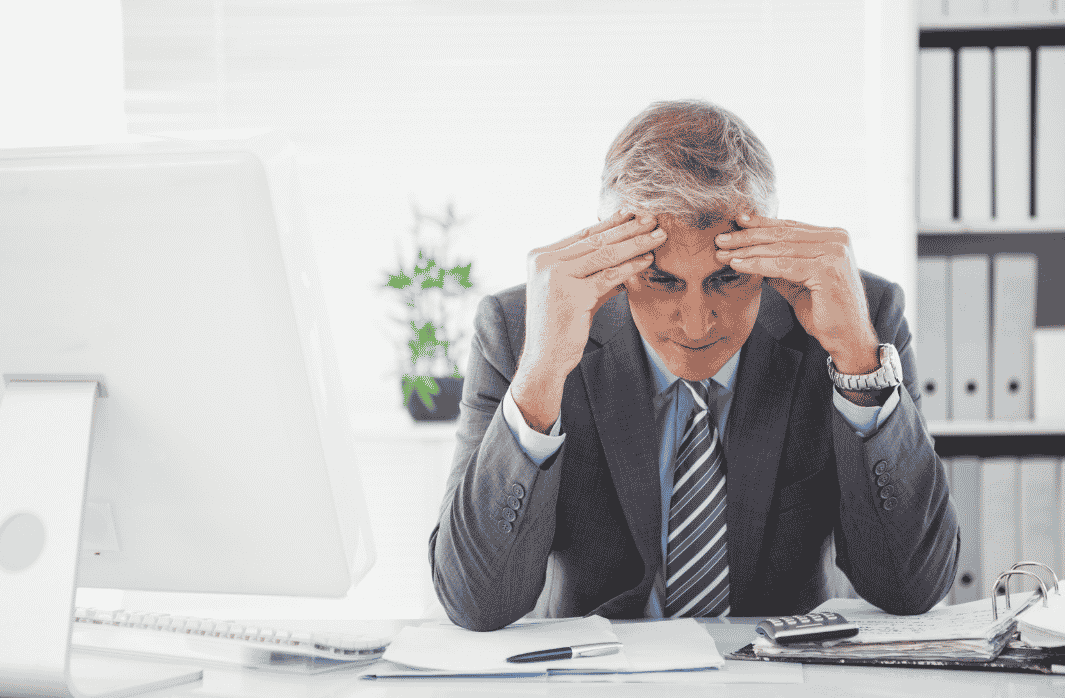
High stress workloads and constant mental stimulation can make it difficult to switch from performance mode into relaxation and intimacy.
Many men experiencing stress-related sexual difficulties describe lifestyles involving:
- Constant phone notifications
- Long working hours
- Persistent problem-solving
- High responsibility roles
- Little genuine downtime
Even during intimacy, some men remain mentally occupied with:
- Work conversations
- Financial pressure
- Deadlines
- Family responsibilities
- Fear of underperforming sexually
Over time, this ongoing mental stimulation may contribute to nervous system overload and reduced emotional recovery.
Practical adjustments may include:
- Reducing work-related screen use before bed
- Creating clearer separation between work and home routines
- Scheduling downtime intentionally
- Reducing reliance on alcohol to unwind
- Prioritising recovery rather than constant productivity
This is particularly relevant for men who are outwardly high-performing but internally exhausted.
Improving Communication With Your Partner
Open communication can reduce pressure, misunderstandings and the fear of repeated sexual difficulties.
Many men experiencing performance anxiety become quieter or more withdrawn during intimacy because they fear disappointing their partner or drawing attention to the issue.
This avoidance can unintentionally increase:
- Emotional distance
- Internal pressure
- Anticipatory anxiety
- Self-monitoring behaviour
In many cases, open but calm communication reduces the sense that intimacy has become a “test” of performance.
Examples of realistic communication may include:
- “I’ve been feeling quite stressed lately and I think it’s affecting me mentally.”
- “I’ve noticed I’m overthinking things more than usual.”
- “I think pressure and tiredness are getting in the way a bit.”
The goal is not turning intimacy into a clinical discussion. It is often simply reducing secrecy, shame and internal pressure.
Managing Negative Thoughts Around Sexual Performance
Negative self-talk and fear of failure can increase anxiety and make sexual performance issues more likely to repeat.
Many men experiencing stress-related erection difficulties begin monitoring themselves constantly during intimacy.
Common thought patterns may include:
| Thought Pattern | More Balanced Alternative |
| “This is going to happen again.” | “One experience does not guarantee a pattern.” |
| “Something must be seriously wrong.” | “Stress and fatigue can affect sexual performance.” |
| “I need to prove everything is working.” | “Pressure often makes performance harder.” |
| “I’m losing control of my body.” | “Performance changes can have multiple contributing factors.” |
Catastrophising and constant monitoring often increase tension rather than helping.
For some men, the issue becomes less about physical arousal and more about fear of repeating a previous experience.
This is one reason stress-related erectile difficulties may still feel physically real, even when anxiety plays a major role.
How NESA Therapy May Support Stress and Sleep Regulation
Some men exploring support for chronic stress, poor sleep or nervous system overload may also look into therapies designed to support relaxation and recovery.
NESA therapy is a non-invasive approach sometimes explored as part of broader wellbeing and nervous system support strategies.
Some clinics discuss NESA in relation to:
- Stress overload
- Poor sleep
- Fatigue
- Nervous system regulation
- Recovery support
At Mans Matters, supportive therapies are considered within a broader assessment process rather than presented as standalone solutions or guaranteed treatments for sexual difficulties.
Suitability varies between individuals, and persistent erectile difficulties should always be assessed properly to identify potential physical, psychological or lifestyle-related contributors.
It is important to approach any stress-related treatment discussion realistically. No single therapy is appropriate for every individual, and outcomes can differ considerably.
Dietary Habits That Support Mental Wellbeing
Daily eating habits can influence energy levels, sleep quality and stress resilience, which may indirectly affect sexual wellbeing.
Practical considerations may include:
- Limiting excessive alcohol intake
- Reducing high caffeine consumption later in the day
- Maintaining stable meal patterns
- Staying hydrated
- Avoiding relying on sugar or alcohol during stressful periods
For many men, stress-related lifestyle habits gradually build over time rather than appearing suddenly.
Small improvements in sleep, hydration, alcohol intake and daily routine may collectively support better recovery and emotional resilience.
When Professional Support May Be Helpful
If stress-related sexual difficulties become frequent, persistent or emotionally distressing, professional assessment may help identify contributing factors.
Sexual performance issues are often multifactorial. Some men experience predominantly psychological symptoms, while others have overlapping circulation, hormone, medication or lifestyle-related contributors.
It may be worth seeking support if you notice:
- Ongoing erection inconsistency
- Anxiety before intimacy
- Persistent sleep disruption
- Reduced sexual confidence
- Avoidance of intimacy
- Relationship strain
- Symptoms becoming more frequent
Many men delay seeking help because symptoms feel embarrassing or difficult to explain. However, earlier assessment may help clarify whether symptoms appear stress-related, physically related or a combination of both.
If stress and performance concerns are becoming more frequent, you can speak with the team confidentially at Mans Matters for discreet guidance and assessment.
Treatment Options for Stress-Related Erectile Difficulties
Some men with stress-related erectile difficulties explore treatment options alongside lifestyle and psychological support.
Because symptoms often involve both physical and psychological factors, management approaches may vary depending on the individual.
Support pathways may include:
| Approach | Possible Role |
| Lifestyle adjustments | Supporting stress reduction and recovery |
| Sleep improvement strategies | Helping nervous system recovery |
| Psychological support | Addressing anxiety and performance patterns |
| Non-invasive therapies | Considered in selected cases following assessment |
| Medical assessment | Identifying physical contributors where relevant |
At Mans Matters, assessment focuses on understanding the wider picture rather than assuming symptoms are purely psychological or purely physical.
This can be particularly important for men experiencing:
- Persistent stress
- Burnout
- Sleep disruption
- Confidence loss
- Gradual erection inconsistency
Suitability for any treatment or support pathway varies between individuals, and no approach should be viewed as universally effective.
Stress and anxiety can affect sexual performance in complex ways, influencing focus, sleep, confidence, nervous system regulation and erection consistency.
For many men, the issue develops gradually through a combination of mental pressure, poor recovery, anticipatory anxiety and lifestyle strain rather than a single obvious cause.
Understanding these patterns early may help reduce the cycle of overthinking and avoidance that often worsens symptoms over time.
While lifestyle strategies and stress management techniques may help some men, persistent sexual difficulties should still be assessed professionally to identify any broader contributing factors.
Mans Matters offers discreet consultations focused on understanding the individual factors involved and discussing suitable next steps without pressure or unrealistic promises.