


- 17 September 2025
- Mr. Leon Almashan
Last updated on June 16, 2026
Premature ejaculation is one of the most common sexual health concerns among men, yet it remains one of the least openly discussed. For some, it occurs occasionally and may not cause lasting disruption. For others, it becomes a recurring issue that can affect intimacy, confidence and overall quality of life.
Understanding what causes premature ejaculation is the first step towards addressing it effectively. In this blog, we look at the key psychological, physical and lifestyle factors behind the condition, while also sharing practical steps men can take to improve control.
Table of Contents
ToggleUnderstanding Premature Ejaculation
Premature ejaculation (PE) is defined as ejaculation that occurs sooner than desired during sexual activity. For some men, this might mean within seconds of penetration; for others, within a few minutes. While the definition can vary, the common thread is a sense of reduced control. Primary premature ejaculation is chronic and can be life long, whereas secondary premature ejaculation develops later after a man has experienced normal function.
It’s important to note that premature ejaculation is not unusual. Studies suggest it affects around one in three men at some stage in their lives. The difference lies between a one-off occurrence and ongoing episodes that impact sexual satisfaction and relationships.
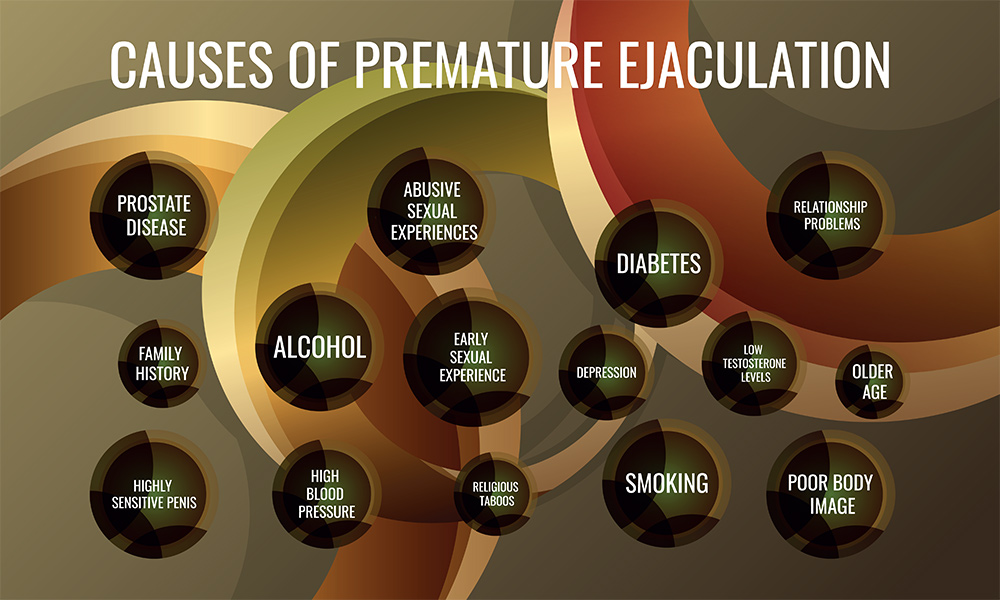
What Causes Premature Ejaculation?
There is no single explanation for PE. Instead, it typically arises from a mix of psychological causes, physical causes and lifestyle factors.
Psychological causes of premature ejaculation
- Performance anxiety: worry about pleasing a partner can heighten arousal and speed up climax.
- Stress and mental health: day-to-day stress or ongoing anxiety may disrupt sexual response.
- Relationship dynamics: unresolved tensions or communication barriers can play a role.
Physical causes of premature ejaculation
- Nerve sensitivity: heightened sensitivity in the penile nerves can shorten the time to climax.
- Hormonal factors: fluctuations in key hormones, including serotonin, may influence control.
- Underlying health conditions: issues such as thyroid imbalance, diabetes, or prostatitis can contribute.
Lifestyle causes of premature ejaculation
- Sleep and fatigue: lack of rest can impact arousal control and stamina.
- Alcohol use: some men use alcohol to delay ejaculation but long-term use can worsen the issue.
- General health: poor physical fitness or low pelvic floor strength can make lasting longer more difficult.
Myths vs Facts
As premature ejaculation is so common, it is often surrounded by misconceptions. Clarifying these myths is an important step in understanding the condition more clearly.
Myth: It’s only psychological
Fact: While psychological causes such as anxiety or stress can contribute to premature ejaculation, research shows that physical and neurological factors are just as important. Nerve sensitivity, pelvic floor dysfunction and even certain health conditions can all play a role. It’s rarely a case of “mind over matter” alone.
Myth: It only affects young men
Fact: Premature ejaculation can occur at any stage of life. Some men experience it early on, while others develop it later due to lifestyle changes, medical issues, or age-related factors. It is not confined to younger men and should not be dismissed as a phase.
Myth: There’s no treatment
Fact: A wide range of treatments are available, from behavioural methods such as the start–stop technique to therapies and medically-directed approaches in specialist clinics. With the right guidance, men can find strategies that address both the symptoms and underlying causes, making long-term improvement possible.

Tips for Lasting Longer
For men experiencing occasional or mild PE, small adjustments may help improve control.
- Behavioural methods: techniques such as the start–stop or pause–squeeze method can help train the body to delay climax.
- Pelvic floor exercises: strengthening the muscles that support ejaculatory control can improve endurance.
- Healthy lifestyle habits: managing stress, staying active and reducing alcohol use all support sexual health.
- Open communication: talking with a partner can relieve pressure and improve intimacy.
While these strategies may help, men with persistent symptoms often benefit from structured support.
Treatment Options: An Overview
Managing premature ejaculation effectively often requires more than short-term solutions like sprays or numbing creams. Treatments generally fall into three categories:
- Medication: prescribed by doctors in some cases to help regulate climax.
- Therapies: counselling or behavioural training, focusing on the psychological side.
- Professional men’s health clinics: combining medical insight with advanced non-invasive technologies for longer-lasting results.
At MansMatters, treatments are medically directed and focus on retraining the underlying physical and neurological systems involved in climax control. For more detailed information about this approach, see our Premature Ejaculation Treatment page.
When to Seek Professional Help
It may be time to seek professional help if premature ejaculation is persistent, affects sexual satisfaction, or begins to interfere with relationships. Men who have tried home-based strategies such as behavioural methods or lifestyle adjustments without success may also benefit from medical support. Seeking help is not a sign of weakness; it’s a proactive step towards addressing a very common concern with safe, structured solutions designed to restore control.
Final Thoughts
Premature ejaculation is more widespread than many realise, and understanding its causes can make it far easier to address. While occasional PE is normal, persistent episodes often benefit from targeted support. From lifestyle adjustments and simple techniques to medically-directed treatment, a range of options exist to help men restore control.
If premature ejaculation is affecting your life, seeking professional guidance can make a real difference. At MansMatters, we offer medically-led, non-invasive treatments tailored to each individual. Book a confidential consultation to take the first step towards restoring lasting control and improving sexual wellbeing.
FAQs
What are the most common causes of premature ejaculation in men?
The most common causes include psychological factors such as stress and anxiety, alongside physical influences like nerve sensitivity or pelvic floor weakness. In many cases, it’s a combination of these that leads to persistent symptoms.
Can stress and anxiety cause premature ejaculation?
Yes, psychological pressure is a well-known trigger. Stress and anxiety can heighten arousal and reduce control, often making the problem worse over time if left unaddressed.
How do lifestyle changes help premature ejaculation?
Improving sleep, reducing alcohol intake and staying physically active can all support better control. These changes work by enhancing overall sexual health and reducing common aggravating factors.
How to stop premature ejaculation without medication?
Behavioural methods such as the start–stop technique or pelvic floor training can help retrain the body’s response. For persistent symptoms, specialist clinics like MansMatters provide non-invasive, medically-directed treatments that address the underlying causes.
Is premature ejaculation caused by hormones or nerves?
Both hormones and nerves can contribute. Imbalances in serotonin or heightened penile sensitivity are recognised physical factors linked to premature ejaculation.
When should you see a doctor for premature ejaculation?
It’s advisable to seek medical support if PE happens regularly and affects sexual satisfaction or relationships. A doctor or specialist clinic can assess underlying causes and recommend appropriate treatment options.

Written By:
Charles Turner
Charles Turner is a seasoned Management Consultant with associations with a range of international medical companies including GlaxoSmithKline and Bristol Myers Squibb.
He is responsible for the operational, strategic, and clinical excellence of MansMatters as well as the Peyronie’s disease research and development programmes.

Reviewed by:
Mr. Leon Almashan
A graduate of St. George’s Medical School, he has developed innovative treatment protocols that have supported improved quality of life for 1000’s of patients worldwide.
Categories
Categories
- Erectile Dysfunction (22)
- Lifestyle (10)
- Mental Health (3)
- Other (2)
- Peyronie's Disease (10)
- Premature Ejaculation (3)
- Related medical conditions (5)
- Uncategorised (1)