


- 24 September 2025
- Mr. Leon Almashan
Last updated on October 17, 2025
Pelvic pain in men is more common than many realise, yet it is often misunderstood or dismissed. For some, the discomfort may be temporary, but for others, it can persist and begin to interfere with bladder function, sexual health and day-to-day activities. As the causes are varied (ranging from muscle tension to nerve irritation or urological problems), identifying the right approach is not always straightforward.
This blog explores the potential causes and symptoms of pelvic pain in men, outlines when to seek medical advice and highlights the effective treatment pathways available. Understanding these factors is the first step towards finding the right solution and restoring long-term pelvic health.
Table of Contents
ToggleWhat Is Pelvic Pain in Men?
Pelvic pain refers to discomfort in the lower abdomen, groin, perineum, or pelvic floor. It is not a condition in itself but a symptom with many possible causes. In some cases, the pain is acute, appearing suddenly and often linked to infection or injury. In others, it becomes chronic, lasting three months or more and frequently associated with muscular tension, pelvic floor dysfunction, or nerve-related issues that are non bacterial and cannot be cured through medication.
Acute vs Chronic Pelvic Pain
Acute Pelvic Pain
This type of pain comes on suddenly and is often linked to an identifiable cause such as a urinary tract infection, inflammation, or injury. With the right medical care, symptoms usually improve once the underlying issue is addressed.
Chronic Pelvic Pain
When discomfort lasts for three months or longer, it is considered chronic. This form is typically more complex and may involve ongoing muscle tension in the pelvic floor, irritation of nearby nerves, or other functional issues that are harder to pinpoint. As a result, chronic pelvic pain often requires a more detailed evaluation and a tailored treatment approach.
Common Causes of Pelvic Pain in Men
Pelvic pain can arise from many different sources, which is why it should be approached as a symptom requiring thorough investigation rather than a single diagnosis. Common causes include:
- Urological factors: Issues such as prostate inflammation, bladder pain, or urinary tract infections can place pressure on the pelvic region and trigger discomfort.
- Musculoskeletal factors: Pelvic floor dysfunction, muscle tightness, or strain from posture and movement patterns often contribute to ongoing pain.
- Neurological factors: Irritation or entrapment of pelvic nerves may lead to persistent or radiating pain that can be difficult to resolve without specialist support.
- Psychological factors: Stress and anxiety are known to increase muscular guarding and heighten the perception of pain, reinforcing chronic pelvic tension.
- Other medical issues: Hernias, digestive conditions, or the after-effects of previous infections may also play a role.
Recognising Symptoms of Pelvic Pain
Pelvic pain in men can present in different ways depending on the cause. Some of the most common symptoms include:
- Persistent pain or pressure in the lower abdomen, perineum, or pelvic floor
- Urinary problems such as frequency, urgency, or discomfort during urination
- Sexual health concerns, including pain during or after ejaculation
- A feeling of heaviness, tightness, or muscle tension in the pelvic area
- Discomfort that worsens with sitting or physical activity
As these symptoms overlap with many other urological and musculoskeletal conditions, seeking a proper assessment is essential.
When to Seek Medical Advice
Pelvic pain should never be ignored. While mild or short-term discomfort may resolve, ongoing or severe pain requires professional assessment to rule out more serious conditions. You should seek medical advice promptly if you experience:
- Blood in your urine or semen
- Severe or sudden pelvic pain
- Unexplained weight loss
- Pain that continues for several weeks without improvement
Early evaluation helps identify whether the cause is urological, neurological, or musculoskeletal and ensures treatment is directed appropriately.
Effective Treatment Approaches
As pelvic pain in men can stem from several different causes, treatment is most effective when it addresses multiple aspects of the problem.
Lifestyle and Posture Adjustments
Changes such as reducing prolonged sitting, improving ergonomics and managing stress can ease muscle tension in the pelvis. These measures are often recommended as a first step.
Pelvic Floor Therapy
Targeted physiotherapy can support relaxation and coordination of the pelvic floor muscles. This may be particularly useful when dysfunction or muscular tightness is contributing to symptoms.
Medical Evaluation
Professional assessment helps identify whether urological or neurological issues are involved. Pinpointing the underlying cause is essential for long-term relief and prevents unnecessary trial-and-error.
Advanced Clinic-Based Therapies
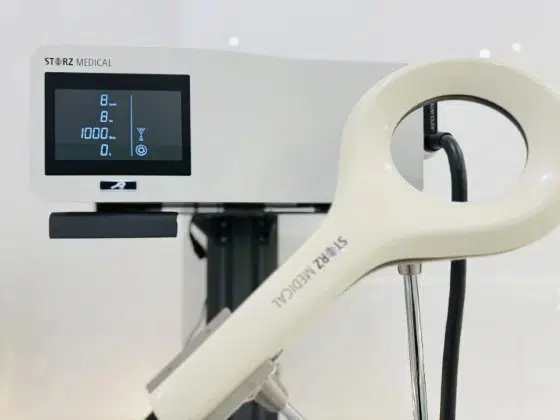
For men with persistent or complex cases, non-invasive, technology-led treatments may be considered including Focused Shockwave therapy and the Tesla chair. These therapies are designed to improve circulation, reduce pelvic muscle tension and ease nerve sensitivity. They are often used when symptoms have lasted three months or more, as in Chronic Pelvic Pain Syndrome (CPPS), where a multi-faceted approach is most effective.
Final Thoughts
Pelvic pain in men is not simply an inconvenience. It can affect bladder function, sexual health and overall quality of life if left unaddressed. As the causes are so varied, lasting relief depends on identifying the underlying factors and approaching treatment in a structured way.
Short-term discomfort may resolve with basic measures, but when symptoms persist, professional assessment is essential. At MansMatters, we specialise in advanced, non-invasive solutions for male pelvic health, including comprehensive approaches for conditions such as Chronic Pelvic Pain Syndrome.
If you are experiencing ongoing pelvic discomfort, don’t ignore it. Book a free consultation with our team today and take the first step towards restoring long-term comfort and function.
FAQs
What causes pelvic pain in men?
Pelvic pain in men can be caused by urological issues, muscular tension, nerve irritation, or stress-related factors. Often, more than one factor contributes to symptoms.
Can stress cause pelvic pain in men?
Yes, stress can increase muscular guarding in the pelvic floor, leading to tension and discomfort. Over time, this can make symptoms more persistent.
How is acute pelvic pain different from chronic pelvic pain?
Acute pelvic pain usually develops suddenly from infection or injury and often improves with treatment. Chronic pelvic pain lasts three months or more and tends to be more complex.
What are the best ways to relieve pelvic pain in men?
Relief depends on the cause, but lifestyle changes, physiotherapy and medical support are often recommended. Persistent cases may require advanced, non-invasive therapies.
When should I see a doctor for pelvic pain?
You should seek medical advice if pain lasts for several weeks, is severe, or is accompanied by red-flag symptoms such as blood in the urine. Early evaluation ensures serious causes are ruled out.
Can pelvic floor therapy help with pelvic pain in men?
Yes, pelvic floor therapy can reduce tension and improve coordination in the muscles that support the pelvis. This makes it a valuable option when dysfunction is part of the problem.

Written By:
Charles Turner
Charles Turner is a seasoned Management Consultant with associations with a range of international medical companies including GlaxoSmithKline and Bristol Myers Squibb.
He is responsible for the operational, strategic, and clinical excellence of MansMatters as well as the Peyronie’s disease research and development programmes.

Reviewed by:
Mr. Leon Almashan
A graduate of St. George’s Medical School, he has developed innovative treatment protocols that have supported improved quality of life for 1000’s of patients worldwide.
Categories
Categories
- Erectile Dysfunction (22)
- Focused Shockwave Therapy (3)
- Lifestyle (10)
- Mental Health (3)
- Other (2)
- Penile Pumps (2)
- Peyronie's Disease (10)
- Premature Ejaculation (3)
- Related medical conditions (5)
- Uncategorised (1)