


Last updated on June 16, 2026
Performance anxiety may refer to erection difficulty linked to pressure during sexual activity. Erectile dysfunction may describe a repeated difficulty achieving or maintaining an erection sufficient for sex.
These conditions can feel similar, which can lead to uncertainty about what is actually happening. In many instances, both can affect confidence, intimacy, and overall performance. From a clinical view, identifying the underlying cause can shape the most appropriate form of support.
At clinics such as MansMatters, assessment-led care may help separate psychological and physical contributors. Both conditions are commonly seen in practice, and both can be approached with structured, discreet support that focuses on restoring confidence and function over time.
Symptoms
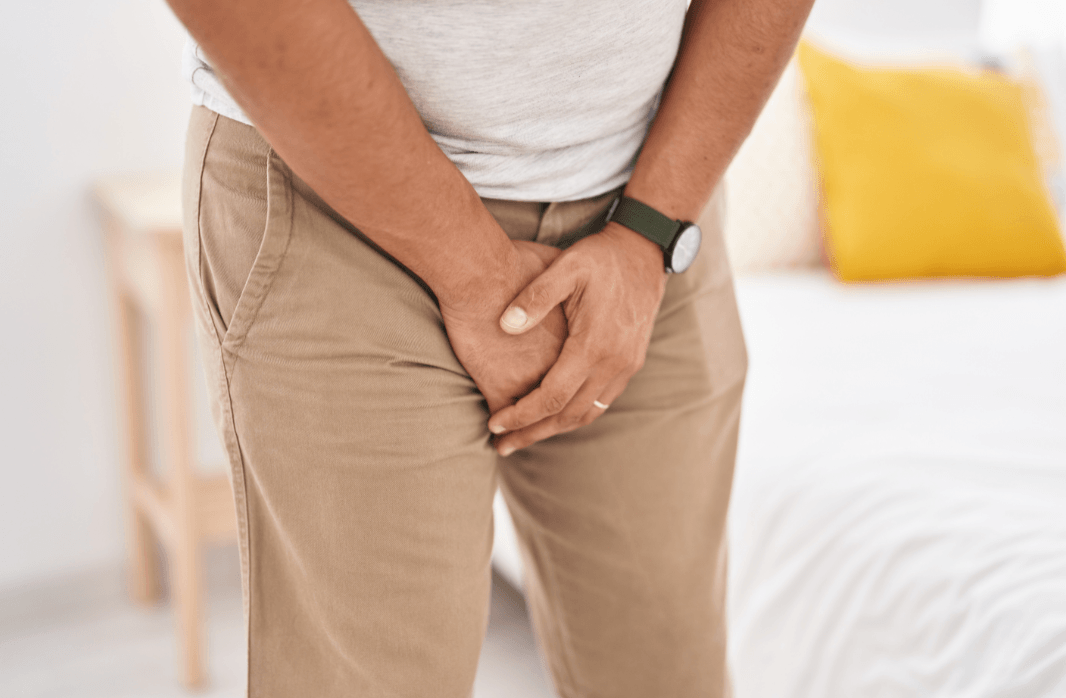
Performance anxiety symptoms may appear in specific situations where pressure feels higher. Many people can notice normal erections during sleep, early morning, or masturbation. Difficulty may begin suddenly, often after a stressful experience. Thoughts may become intrusive, and attention can shift away from arousal.
Erectile dysfunction symptoms may present more consistently across different situations. Erections may feel less firm or harder to maintain over time. Morning erections can become less frequent. Changes may develop gradually, with performance becoming less predictable.
The difference between performance anxiety and ED may be seen in these patterns, though in clinical settings, mixed presentations are often observed.
Causes
Performance anxiety tends to arise from psychological pressure. Stress, expectation, or fear of failure can interfere with the body’s normal sexual response. This can occur even where physical function is otherwise intact.
Erectile dysfunction often relates to physical processes such as blood flow, nerve signalling, or hormonal balance. Causes of erectile dysfunction can include cardiovascular changes, metabolic conditions, or medication effects.
In practice, these causes may overlap. Repeated physical difficulty can lead to anxiety, and anxiety can further affect physical response. At MansMatters, this interaction is often considered during assessment to avoid focusing on one factor alone.
How Each Condition Affects Sexual Performance
Performance anxiety can trigger a stress response. This may reduce arousal focus and disrupt the signals needed for erection. The body may shift into a heightened state of alert, which can interfere with sexual function.
Erectile dysfunction may involve reduced blood flow or impaired nerve signalling. This can affect erection quality regardless of mindset. Desire may remain present, though the physical response may not align with expectations.
Understanding this distinction can help guide whether support should focus more on psychological regulation, physical function, or both.
Psychological Factors
- Stress and pressure may reduce arousal and focus
- Fear of failure can increase self-monitoring during sex
- Relationship dynamics may influence comfort and confidence
- Past negative experiences can shape expectations over time
- Mental health factors, such as anxiety or low mood, may affect performance
Physical Factors

- Cardiovascular health may influence penile blood flow
- Hormonal imbalance can affect libido and erectile strength
- Diabetes may affect nerves and circulation
- Medication side effects can interfere with sexual function
- Smoking, alcohol use, and inactivity may contribute over time
How Doctors Diagnose the Condition
A structured clinical assessment may help distinguish between psychological and physical causes. Self-diagnosis can be unreliable, particularly where symptoms overlap.
A clinician may explore medical history, symptom patterns, and onset timing. Discussion may include morning erections, lifestyle factors, stress levels, and relationship context. In some cases, physical examination or blood testing might be suggested.
At MansMatters, this process is typically focused on identifying contributing factors in a measured way, rather than applying a single label. This aligns with regulatory guidance that discourages unsupported diagnosis outside appropriate clinical settings.
Treatment Options
Psychological Support
Psychological support may include counselling or structured therapy. Behavioural techniques can help reduce performance pressure and improve focus during sex. Stress regulation strategies may support more consistent arousal over time.
MansMatters may incorporate these elements within a broader care plan, supporting both confidence and functional improvement. More detail can be found on our performance anxiety treatment page.
Medical Treatments
Medical treatment options may involve prescribed tablets following appropriate assessment. These may support erectile function in certain cases, though they may not address underlying causes in all situations.
In practice, MansMatters may position medication as one part of a wider strategy, rather than a long-term standalone solution.
Advanced Non-Invasive Treatments
MansMatters offers advanced non-invasive approaches such as Nanovi and NESA. These methods may aim to support cellular recovery and nervous system regulation in a controlled clinical setting.
For some people, this approach can contribute to improved erectile function and reduced performance pressure over time. Outcomes can vary, and no specific result can be assumed. Treatment plans are typically guided by individual assessment, rather than a one-size-fits-all model.
Lifestyle Changes That May Help
- Regular exercise may support circulation and confidence
- A balanced diet can contribute to cardiovascular health
- Sleep quality may influence hormone balance and recovery
- Reducing alcohol and smoking may support erectile response
- Stress reduction techniques can lower pressure around performance
Lifestyle changes may support treatment outcomes when combined with structured care.
When Performance Anxiety and Erectile Dysfunction Occur Together
In some cases, erectile dysfunction may lead to increased anxiety around performance. This anxiety can then make future erections less reliable. Over time, this cycle may reinforce both conditions.
At MansMatters, this pattern is often addressed through combined strategies that consider both physical and psychological aspects. Treating only one side may leave part of the issue unresolved in certain situations.
When to Seek Professional Help
Professional support may be appropriate if symptoms persist, become more frequent, or begin to affect confidence or relationships. Early assessment may help clarify whether symptoms relate to performance anxiety, erectile dysfunction, or both.
MansMatters provides discreet, assessment-led consultations that focus on identifying the underlying cause and outlining appropriate next steps.
If you would like to explore your options, you can contact us to arrange a confidential discussion.