


Last updated on June 17, 2026
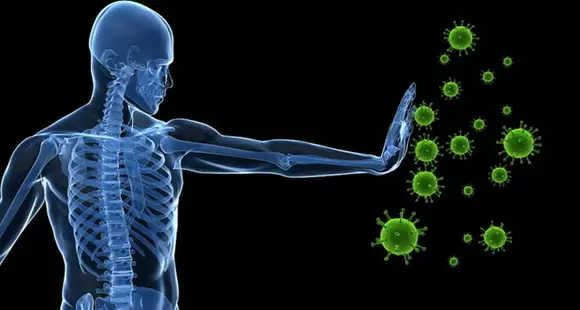
The immune system plays a central role in protecting the body from infection and disease, and it typically works in a balanced and controlled way. In some cases, this system may become dysregulated and begin to respond to healthy tissue rather than external threats. This process is described as an autoimmune response.
In men’s health, immune function can influence a range of systems, including hormonal balance, vascular health, and tissue integrity. Changes in these areas may, to a degree, affect overall wellbeing and aspects of sexual performance.
This article provides a clear overview of how the autoimmune system works, how it may present in men, and how it can be associated with broader health concerns.
How the Autoimmune System Works in the Male Body
The immune system is made up of specialised cells and proteins that identify and respond to potential threats. White blood cells typically detect harmful organisms, and antibodies help target and neutralise them. This process often allows the body to manage infections without ongoing harm.
In autoimmune conditions, this recognition process can become less precise. The immune system may begin to identify normal tissue as a threat and respond in a similar way to how it would fight infection. This response can, in some cases, lead to inflammation or gradual tissue change.
In clinical settings, autoimmune responses can vary widely in how they develop and how they affect the body. Some conditions remain stable over time, whereas others may change in activity or severity.
Why Autoimmune Conditions Can Affect Men Differently
Autoimmune conditions can present differently in men, and this may relate to both biological and behavioural factors. Hormonal influences, including testosterone, can affect immune system activity to a degree, which may alter how immune responses are expressed.
In day-to-day care, men sometimes delay seeking medical advice, which can lead to later recognition of symptoms. This pattern may result in conditions being identified at a more established stage.
Symptoms in men can, in some cases, appear subtle or develop gradually. This may include changes in energy levels, physical comfort, or general wellbeing, which can be overlooked or attributed to other factors.
Common Autoimmune Conditions That Affect Men
Several autoimmune conditions are recognised in men, each affecting different systems within the body. These conditions can vary in presentation and progression.
- Type 1 diabetes – involves the immune system affecting insulin-producing cells, which can influence blood glucose regulation.
- Rheumatoid arthritis – can affect joints, leading to discomfort, stiffness, and inflammation over time.
- Hashimoto’s thyroiditis – involves immune-related changes to thyroid function, which may influence metabolism and energy levels.
- Vitiligo – affects skin pigmentation, leading to areas of lighter skin.
- Alopecia areata – involves immune-related hair loss, which can occur in patches.
In many instances, these conditions are managed over time with medical guidance, and their impact can vary between individuals.
How Autoimmune Conditions May Influence Sexual Health
Sexual health is closely linked to vascular, neurological, and psychological factors, and immune-related conditions may interact with these systems in different ways. Inflammation associated with autoimmune responses can, in some cases, affect blood vessels and tissue health.
Erectile function depends on adequate blood flow and a healthy vascular response. Inflammatory processes may, to a degree, influence how efficiently blood vessels function, which can be associated with changes in erectile performance.
There can also be psychological effects. Living with a long-term condition may contribute to stress or reduced confidence, which can affect sexual wellbeing in some cases. These factors often interact rather than act in isolation.
Symptoms Men May Notice When Immune Function Is Disrupted
When immune function is altered, symptoms can present in a range of ways and may develop gradually over time. These symptoms are not specific to any single condition and should not be used as a diagnostic tool.
Men may sometimes notice:
- Persistent fatigue
- Joint discomfort or stiffness
- Changes in skin appearance
- Digestive disruption
- Changes in sexual performance
In clinical settings, symptom patterns are assessed in context, and further evaluation may be required to understand their cause.
For more information on recognising symptoms affecting your sexual health, further guidance may support awareness without replacing professional assessment.
Factors That May Contribute to Autoimmune Responses
Autoimmune responses can arise from a combination of factors, and no single cause is identified in many cases. Genetic predisposition may increase susceptibility, although this does not always lead to disease.
Chronic stress can influence immune regulation to an extent, and lifestyle patterns may play a supporting role in overall health. Dietary habits, environmental exposures, and previous infections are sometimes associated with immune system changes.
In practice, these factors interact in complex ways, and their influence can differ between individuals.
The Link Between Inflammation and Erectile Function
Inflammation is a natural part of the body’s defence system, and it typically helps manage injury or infection. In some situations, inflammation may persist or become more widespread, which can affect normal tissue function.
Blood vessels are particularly sensitive to inflammatory processes. Changes in the inner lining of blood vessels may reduce their ability to relax and allow sufficient blood flow. Erectile function relies on this vascular response, and reduced efficiency may, in some cases, be associated with performance changes.
This relationship is observed in broader men’s health research, where vascular health is closely linked to erectile function.
How Lifestyle Choices May Support Immune Health
Lifestyle factors can support general health and may influence how the immune system functions over time. These approaches are supportive and are not a substitute for medical care where needed.
Common areas of focus include:
- Maintaining a balanced and varied diet
- Engaging in regular physical activity
- Supporting consistent sleep patterns
- Managing stress levels
- Reducing alcohol intake and avoiding smoking
In many instances, these measures contribute to overall wellbeing and may support multiple body systems.
When to Speak to a Specialist
Persistent or changing symptoms may warrant further assessment, particularly if they begin to affect quality of life or sexual wellbeing. Early discussion with a qualified professional can help clarify whether further investigation is appropriate.
Men who have concerns about ongoing symptoms or changes in performance may consider seeking guidance. A structured assessment can provide clarity without assuming a specific diagnosis.
If needed, you can speak to a specialist to discuss symptoms in a confidential and clinically appropriate setting.
Treatment Approaches in Clinical Practice
Management of autoimmune-related conditions typically involves a combination of medical care and supportive strategies. Treatment plans are guided by the specific condition, symptom pattern, and individual health profile.
Medical management may include therapies aimed at regulating immune activity or addressing specific symptoms. Lifestyle measures can support overall health and may complement clinical care.
For those exploring treatment options available, a specialist-led assessment from our leading professionals here at Mans Matters can help outline appropriate pathways based on individual needs, so contact us today to understand how we can help support you moving forwards.